
 English
 Español
 Pусский
 Tiếng Việt




الحزام الناقل المطاطي المقاوم للحرارة
Heat-Resistant Rubber Conveyor Belts: Features and Applications Heat-resistant rubber conveyor belts are specialized industrial belts designed to withstand high temperatures while maintaining structural integrity and performance. These belts are widely used in industries where materials are transported at elevated temperatures, such as cement production, steel manufacturing, foundries, and chemical processing. Key Features 1. Material Composition Heat-resistant conveyor belts are typically made from synthetic rubber compounds, such as EPDM (ethylene propylene diene monomer) or SBR (styrene-butadiene rubber), combined with heat-resistant additives. These materials provide excellent resistance to thermal degradation, oxidation, and cracking. 2. Reinforcement Layers The belts are reinforced with high-strength fabric or steel cords to ensure durability under high-temperature conditions. The reinforcement prevents belt elongation and maintains stability even when exposed to continuous heat. 3. Temperature Resistance Depending on the grade, heat-resistant belts can withstand temperatures ranging from 100°C to over 300°C. Some advanced belts feature special coatings to resist sudden temperature spikes or direct contact with hot materials. 4. Abrasion and Chemical Resistance In addition to heat resistance, these belts often have enhanced abrasion resistance to handle rough materials like clinker, slag, or hot aggregates. They may also resist oils, acids, and alkalis, depending on the application. Applications - Cement Industry: Transporting hot clinker, limestone, and raw meal in kilns and coolers. - Steel and Foundries: Handling hot metal scraps, sinter, and slag. - Glass Manufacturing: Moving molten glass cullet and hot-formed products. - Chemical Processing: Conveying heated chemicals, fertilizers, or plastic pellets. Advantages - Extended Service Life: Resists hardening, cracking, and delamination caused by heat exposure. - Energy Efficiency: Reduces downtime and maintenance costs due to thermal damage. - Safety Compliance: Meets industry standards for fire resistance and operational safety. Selection Considerations When choosing a heat-resistant conveyor belt, factors such as maximum operating temperature, material type, belt thickness, and load capacity must be considered. Proper belt selection ensures optimal performance and longevity in harsh environments. In summary, heat-resistant rubber conveyor belts are essential for industries requiring reliable material handling under extreme heat. Their robust construction and specialized materials make them indispensable for high-temperature applications.
نتاج
تصنيف:
-
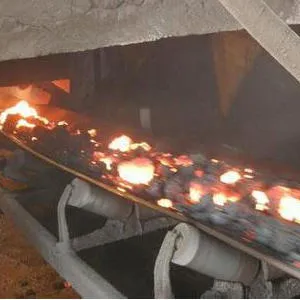
سيور نقل مقاومة للحرارة
تصنيفها: أنظمة الحزام الناقلالمشاهدات: 1595عدد:وقت الإصدار: 2025-12-29 11:07:21الحزام الناقل المقاوم للحرارةحل حزام النقل الموثوق به للتعامل مع المواد ذات درجات الحرارة العاليةنظرة عامة على المنتجالأحزمة الناقلة المقاومة للحرارة هي أحزمة نقل صناعية مصممة خصيصًا لنقل المواد الساخنة بأمان وكفاءة في بيئات العمل ذات درجة الحرارة العالية. في صناعات مثل تصنيع الأسمنت، وإنتاج الصلب، وتوليد الطاقة، والتعدين، والمعادن، غالبًا ما يتم نقل المواد مباشرة بعد عمليات التسخين، مثل تفريغ الكلنكر، أو التلبيد، أو معالجة الخبث، أو نقل الرماد الساخن. يمكن أن تصل هذه المواد إلى درجات حرارة تتجاوز بكثير تحمل سيور النقل المطاطية القياسية.يتم تصنيع أحزمة النقل المقاومة للحرارة باستخدام مركبات مط...
أخبار
تصنيف:
-
[industry news]Flame Retardant Conveyor Belt Solutions for Mining Safety
2026-07-05 04:34:31 -
[industry news]DY Mobile Belt Conveyor Manufacturer for Flexible Transport
2026-07-08 02:24:53 -
[industry news]Patterned Conveyor Belts for Inclined Material Transportatio...
2026-07-10 02:23:28 -
[industry news]Heat Resistant Rubber Conveyor Belts for Hot Materials
2026-07-28 02:22:37 -
[industry news]Portable DY Mobile Belt Conveyor for Mining Applications
2026-08-30 02:11:43 -
[industry news]Heat Resistant Conveyor Belt Manufacturer for Industrial Pla...
2026-09-20 02:07:44
حالة
تصنيف:
لا توجد نتائج بحث!
فيديو
تصنيف:
لا توجد نتائج بحث!
تحميل
تصنيف:
لا توجد نتائج بحث!
تجنيد
تصنيف:
لا توجد نتائج بحث!
المنتجات الموصى بها
-
NEWS
سيور نقل مقاومة للحرارة
مزيد من المعلومات



 واتس اب
 هاتف