
 English
 Español
 Portugues
 Pусский
 Français
 Deutsch
 日本語
日本語 한국어
한국어 Italiano
 Nederlands
 Ελληνικά
 Svenska
 Polski
 ไทย
ไทย Türk dili
 हिन्दी
 Indonesia
 Melayu
 Tiếng Việt
 中文
中文 dansk
dansk Magyar
 қазақ
қазақ বাংলা
বাংলা עִברִית
 čeština
 Soomaali
 မြန်မာ
 فارسی
فارسی українська
 norsk
norsk Gaeilge
 беларускі
 Română
 ພາສາລາວ
 Filipino
 lietuvių
 Cymraeg
 македонски
 Suomalainen
 slovenský
 o'zbek
 اردو
اردو հայերեն
 Igbo
Igbo български
 سنڌي
سنڌي Shona
Shona සිංහල
සිංහල Hrvatski
 íslenskur
 galego
 català
 Zulu South Africa
 Afrikaans isiXhosa
 ಕನ್ನಡ
ಕನ್ನಡ lëtzebuergesch
 Indonésia Sunda
 Кыргызча
 тоҷикӣ
 Србија
 Twi
Twi Hawaii
 Cebu
Cebu नेपाल
नेपाल euskara
 frissi
 יידיש
יידיש latvija
 slovenija
 kiswahili
 ਪੰਜਾਬ
ਪੰਜਾਬ پښتو
پښتو საქართველოს
 hua moni
 bosna
bosna Kreyòl ayisyen
 Eesti
Eesti Gàidhlig na h-Alba
 Samoa
Samoa Монгол
 Azərbaycan
 አማራ
አማራ Shqipëria
 Malagasy
 Malta
Malta ខ្មែរ
ខ្មែរ Chicheva
 中文(繁体)
 ଓଡିଆ
ଓଡିଆ Setswana
 Afrikaans
 Aymara
 Башҡорт
 Türkmenler
 ትግሪኛ
ትግሪኛ Afaan Oromoo
 অসমীয়া
 Kinyarwanda
 Ilocano
 Wolof
Wolof अवधी
अवधी Oluganda
 Bikol
Bikol Fulɓe
Fulɓe Kikongo
 Sango
Sango ދިވެހި
 Lingala
 मैथिली
 Tsonga
 ꯃꯦꯏ ꯊꯥꯏ꯫
 brezhoneg
 Furlan
 नेवा
नेवा རྫོང་ཁ
 Santali
 Аҧсуа
Аҧсуа Нохчийн
 Чӑваш
Чӑваш Татар
Татар Batak Karo
 دری
دری Diura
Diura Fengyu
 Eʋegbe
 Iban
Iban Fiji
Fiji Tonga
Tonga Inuktitut
 Nahuatl
 maaya yucatec
 Runasimi
 guarani
 Qafar
Qafar Acholi
 Dinka
Dinka Luo
Luo Lundi
Lundi isiNdebele
 Tshivenḓa
 Sesotho sa Leboa
 Sesotho sa Borwa
 Ndumbe
 Papuan Pidgin
 Rromani ćhib
 Thok Nath



bend pulley conveyor
Bend Pulley in Conveyor Systems A bend pulley is a critical component in belt conveyor systems, primarily used to change the direction of the conveyor belt or provide tension to ensure smooth operation. Unlike drive pulleys, which provide the motive force, bend pulleys are passive and serve to guide the belt through specific angles, typically at the tail or return side of the conveyor. Their design and placement significantly impact the efficiency, lifespan, and reliability of the conveyor system. Function and Importance Bend pulleys are strategically positioned to redirect the belt’s path, often at the conveyor’s tail end or along the return strand. They help maintain proper belt alignment, reduce slippage, and ensure consistent tension. In systems with multiple conveyor sections, bend pulleys facilitate smooth transitions between horizontal and inclined paths. Without them, excessive friction or misalignment could lead to premature belt wear, increased energy consumption, or even system failure. Design and Construction Bend pulleys are typically constructed from durable materials such as steel or engineered composites to withstand heavy loads and abrasive conditions. The pulley’s surface may be lagged (coated with rubber or ceramic) to improve traction and reduce belt slippage. The diameter of a bend pulley is carefully selected based on belt width, tension, and the angle of deflection to minimize stress on the belt. Larger diameters are preferred for high-tension or high-speed applications to reduce bending fatigue. Types of Bend Pulleys 1. Return Bend Pulley: Located on the return side of the belt, this pulley guides the empty belt back to the loading point. 2. Snub Bend Pulley: Positioned near the drive pulley to increase the wrap angle, enhancing traction and power transmission. 3. Take-Up Bend Pulley: Used in tensioning systems to adjust belt slack, ensuring optimal performance. Installation and Maintenance Proper alignment is crucial to prevent belt mistracking, which can cause edge damage or material spillage. Regular inspections should check for wear, bearing lubrication, and lagging condition. Misaligned or damaged bend pulleys must be corrected promptly to avoid costly downtime. Applications Bend pulleys are widely used in mining, agriculture, manufacturing, and logistics, where conveyors transport bulk materials over long distances or complex routes. Their role in maintaining belt integrity and system efficiency makes them indispensable in heavy-duty operations. In summary, bend pulleys are essential for the smooth operation of conveyor systems, ensuring proper belt guidance, tension control, and directional changes. Their robust design and correct installation contribute to the longevity and reliability of material handling systems.
نتاج
تصنيف:
-
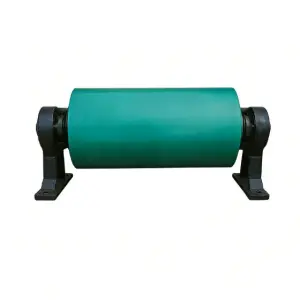
Bend Pulley
تصنيفها: Drum Roller Seriesالمشاهدات: 18عدد:وقت الإصدار: 2026-01-07 14:57:48Product OverviewThe bend pulley, also known as a deflection pulley, is an essential component in belt conveyor systems, primarily used to change the direction of the conveyor belt and optimize belt routing. While it does not usually provide the main driving force, the bend pulley plays a critical role in power transmission efficiency, belt tension distribution, and overall conveyor stability.By redirecting the belt path, bend pulleys help reduce the footprint of conveyor systems, improve belt wrap angles around drive pulleys, and maintain smooth belt movement. Due to its strategic position wit...
أخبار
تصنيف:
-
[Company News]Bend Pulley Conveyor Applications in Modern Belt Systems
2026-01-11 10:35:40
حالة
تصنيف:
لا توجد نتائج بحث!
فيديو
تصنيف:
لا توجد نتائج بحث!
تحميل
تصنيف:
لا توجد نتائج بحث!
تجنيد
تصنيف:
لا توجد نتائج بحث!
المنتجات الموصى بها
لا توجد نتائج بحث!



 واتس اب
 هاتف
هاتف