
 English
 Español
 Pусский
 Tiếng Việt




الحزام الناقل يحمل المهمل
Belt Conveyor Carrying Idlers: Function, Design, and Applications Carrying idlers are critical components in belt conveyor systems, supporting the conveyor belt and its load along the carrying side. They ensure smooth belt movement, minimize friction, and maintain proper belt alignment, contributing to efficient material handling in industries such as mining, manufacturing, and logistics. Function and Importance The primary role of carrying idlers is to bear the weight of the conveyed material while reducing belt sag and resistance. They distribute the load evenly across the belt, preventing excessive stress and wear. Properly designed idlers enhance conveyor efficiency, reduce energy consumption, and extend belt life. Without adequate idler support, the belt may experience misalignment, increased friction, or even premature failure. Design and Construction Carrying idlers typically consist of a steel frame with one or more rollers (usually three in a troughing configuration). The rollers are mounted on bearings, allowing them to rotate freely as the belt moves. Common designs include: 1. Troughing Idlers – The most widely used type, featuring a central roller with two inclined side rollers (usually at 20°, 35°, or 45° angles) to form a trough. This design increases load capacity and prevents material spillage. 2. Flat Carrying Idlers – Used for lightweight or low-volume applications where a flat belt surface is sufficient. 3. Impact Idlers – Equipped with rubber rings or cushioning to absorb shock when heavy or abrasive materials are loaded onto the belt. Materials used for rollers include steel, rubber-coated steel, or high-density polyethylene (HDPE) to resist wear, corrosion, and impact. Selection Considerations Key factors in choosing carrying idlers include: - Load Capacity – Determines the number and spacing of idlers. Heavier loads require closer spacing or reinforced idlers. - Belt Speed – High-speed conveyors need precision-balanced idlers to minimize vibration. - Environmental Conditions – Harsh environments (e.g., moisture, dust, or extreme temperatures) may require sealed bearings or corrosion-resistant coatings. - Maintenance Requirements – Self-lubricating or low-maintenance idlers reduce downtime. Applications Carrying idlers are essential in industries handling bulk materials, such as: - Mining – Transporting coal, ore, and aggregates. - Agriculture – Moving grain, fertilizer, and other produce. - Construction – Handling sand, gravel, and cement. - Manufacturing – Conveying packaged goods or raw materials. Conclusion Carrying idlers play a vital role in belt conveyor performance by ensuring smooth operation, load support, and belt longevity. Proper selection, installation, and maintenance are crucial for optimizing conveyor efficiency and reducing operational costs. Advances in materials and design continue to enhance idler durability and performance in demanding applications.
نتاج
تصنيف:
-
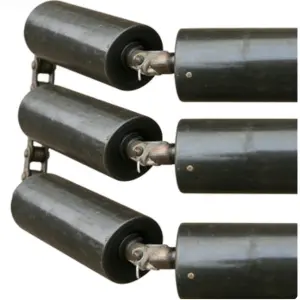
مجموعة المهمل ذات الثلاث بكرات
تصنيفها: سلسلة الأسطوانة المهملالمشاهدات: 1487عدد:وقت الإصدار: 2026-01-06 14:18:15مجموعة المهمل ذات الثلاث بكراتحل دعم الحمل المستقر لأقسام حمل الحزام الناقلنظرة عامة على المنتجتعد مجموعة التباطؤ ذات الثلاث بكرات واحدة من تكوينات التباطؤ الحامل الأكثر استخدامًا في أنظمة النقل بالحزام. تم تصميم مجموعة التباطؤ هذه لدعم الحزام الناقل والمواد المنقولة على جانب الحمل، وتتكون من ثلاث بكرات فردية مرتبة على إطار فولاذي صلب. من خلال تشكيل هيكل دعم الحزام المستقر والفعال، تساعد مجموعات التباطؤ ثلاثية الأسطوانات في الحفاظ على شكل الحزام، وتوزيع الحمل بالتساوي، وضمان التشغيل السلس للناقل.على عكس وحدات التباطؤ المتخصصة مثل وحدات التباطؤ ذات الارتطام أو وحدات التباطؤ ذاتية المحاذاة، تركز...
أخبار
تصنيف:
-
[industry news]Corrugated Sidewall Conveyor Belts for Vertical Material Lif...
2026-06-17 02:26:04 -
[industry news]Flame Retardant Conveyor Belts for Underground Coal Mines
2026-09-23 02:19:53
حالة
تصنيف:
لا توجد نتائج بحث!
فيديو
تصنيف:
لا توجد نتائج بحث!
تحميل
تصنيف:
لا توجد نتائج بحث!
تجنيد
تصنيف:
لا توجد نتائج بحث!
المنتجات الموصى بها
لا توجد نتائج بحث!



 واتس اب
 هاتف